Eksplorasi Slot Online Serta Perkembangan Teknologi dan Inovasi – Di era digital yang terus berkembang, industri perjudian online telah menjadi salah satu sektor yang paling dinamis. Slot online, sebagai salah satu bentuk perjudian paling populer, telah menjadi fokus utama dari perkembangan teknologi dan inovasi. Artikel ini akan menjelajahi perkembangan terbaru dalam teknologi slot online, peran penyedia game dalam membawa inovasi ke dunia slot online, serta memberikan beberapa prediksi menarik tentang masa depan teknologi dalam perjudian online.
Perkembangan Terbaru dalam Teknologi Slot Online
Teknologi telah memainkan peran sentral dalam mengubah cara kita bermain slot online. Beberapa perkembangan terbaru yang perlu dicatat dalam teknologi slot online adalah:
1. Grafik dan Animasi Berkualitas Tinggi: Slot online sekarang menawarkan grafik yang mendekati kualitas permainan video. Ini menciptakan pengalaman bermain yang lebih imersif dan mendalam.
2. Game Mobile: Dengan semakin banyaknya pemain yang beralih ke perangkat seluler, pengembang game telah memastikan bahwa game slot online dapat dimainkan dengan lancar di ponsel dan tablet. Ini memberikan fleksibilitas kepada pemain untuk bermain di mana saja.
3. Fitur-Fitur Bonus yang Kreatif: Fitur-fitur bonus dalam slot online terus berkembang dengan fitur-fitur seperti mini-game, putaran gratis dengan fitur khusus dan simbol liar yang lebih rumit. Semua ini meningkatkan keseruan bermain dan peluang pemain untuk memenangkan hadiah besar.
4. Realitas Virtual (VR) dan Augmented Reality (AR): Beberapa pengembang game telah mulai mengintegrasikan teknologi VR dan AR dalam slot online. Ini menciptakan pengalaman bermain yang lebih mendalam dan interaktif.
5. Keamanan yang Ditingkatkan: Keselamatan pemain adalah prioritas utama. Dengan teknologi enkripsi yang canggih, informasi pemain dan transaksi lebih aman daripada sebelumnya.
Peran Penyedia Game dalam Membawa Inovasi
Penyedia game memiliki peran sentral dalam menghadirkan inovasi ke dunia slot online. Mereka menciptakan game, mengembangkan ide-ide baru dan memastikan bahwa pemain terus memiliki pengalaman bermain yang menarik. Beberapa penyedia game yang telah menonjol dalam membawa inovasi ke slot online adalah:
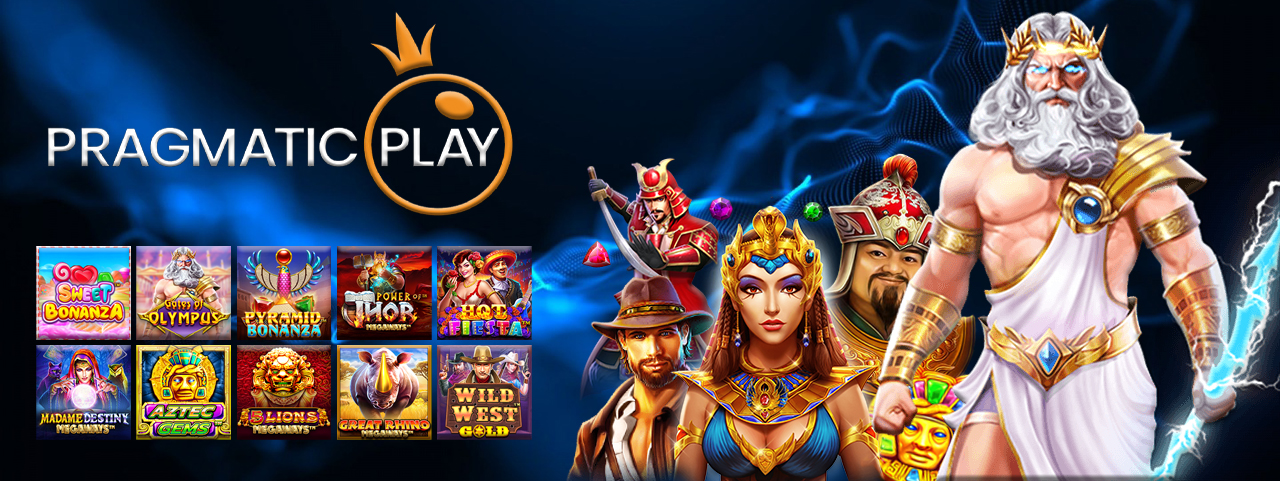
1. Pragmatic Play: Pragmatic Play adalah salah satu penyedia game terkemuka yang terkenal dengan portofolio game slot yang beragam. Mereka selalu berusaha untuk menciptakan game yang menarik dengan tema-tema yang unik dan fitur-fitur bonus yang menghibur.
2. PG Slots: PG Slots telah membawa inovasi dengan memperkenalkan mekanisme Megaways dalam beberapa game slot mereka. Ini memberikan lebih banyak cara bagi pemain untuk meraih kemenangan besar.
3. No Limit City: No Limit City terkenal dengan game slot berkecepatan tinggi dengan volatilitas tinggi dan fitur-fitur bonus yang menggiurkan. Mereka terus menghadirkan fitur-fitur baru seperti xNudge dan xWays.
4. Habanero: Habanero dikenal dengan beragam tema slot yang menarik dan fitur-fitur inovatif. Mereka telah memperkenalkan mekanisme drop-down yang memungkinkan pemain meraih kemenangan beruntun.

Prediksi Masa Depan Teknologi Slot Online
Perkembangan teknologi dalam dunia slot online tidak akan berhenti di sini. Beberapa prediksi menarik tentang masa depan teknologi dalam perjudian online meliputi:
1. Penggunaan Lebih Luas VR dan AR: Teknologi VR dan AR akan semakin diterapkan dalam slot online, menciptakan pengalaman bermain yang lebih mendalam dan imersif.
2. Keamanan yang Lebih Baik: Keamanan akan terus ditingkatkan dengan teknologi enkripsi yang lebih canggih dan perlindungan data yang lebih kuat.
3. Inovasi yang Lebih Canggih: Pengembang game akan terus menciptakan mekanisme dan fitur-fitur inovatif yang meningkatkan pengalaman bermain dan peluang pemain untuk memenangkan hadiah besar.
4. Interaksi Sosial yang Lebih Besar: Slot online mungkin akan mengintegrasikan elemen interaksi sosial yang lebih besar, memungkinkan pemain untuk berkomunikasi satu sama lain selama permainan.
5. Peningkatan Mobilitas: Game slot mobile akan terus berkembang, memungkinkan pemain untuk bermain di mana saja dan kapan saja dengan kualitas yang sama baiknya dengan versi desktop.
Teknologi dan inovasi telah menjadi kunci dalam menghadirkan pengalaman bermain slot online yang menarik. Dengan perkembangan terbaru dan prediksi masa depan, pemain dapat mengantisipasi pengalaman bermain yang semakin mendalam, imersif dan penuh peluang. Dalam menjalani perkembangan ini, penting bagi pemain untuk selalu bermain dengan bijak dan bertanggung jawab, serta memahami peran penting penyedia game dalam membawa inovasi ke dunia slot online.
Dalam mengakhiri eksplorasi perkembangan teknologi dan inovasi dalam slot online, penting untuk memahami bahwa inovasi ini tidak hanya merubah cara kita bermain, tetapi juga mempengaruhi bagaimana pemain berinteraksi dengan perjudian online.
1. Kebebasan Lebih Besar untuk Pemain: Dengan game slot yang semakin mudah diakses melalui perangkat seluler, pemain memiliki lebih banyak kebebasan untuk bermain kapan saja dan di mana saja. Ini memberikan fleksibilitas yang tidak dimiliki oleh kasino fisik.
2. Pengalaman Interaktif yang Meningkat: Teknologi seperti VR dan AR memiliki potensi untuk menghadirkan pengalaman bermain yang lebih interaktif. Pemain dapat merasa seperti mereka benar-benar berada di dalam permainan, dengan tingkat keterlibatan yang jauh lebih besar.
3. Peningkatan Transparansi: Dalam perjudian online, transparansi adalah kunci. Teknologi blockchain, misalnya, telah diperkenalkan dalam beberapa kasino online untuk meningkatkan transparansi dan keamanan dalam transaksi.
4. Sosialisasi Dalam Perjudian: Beberapa platform perjudian online telah mulai mengintegrasikan fitur sosial yang memungkinkan pemain berinteraksi satu sama lain selama permainan. Ini menciptakan komunitas yang lebih besar di balik layar.
5. Ketersediaan Game yang Beragam: Dengan konstannya munculnya game baru yang inovatif, pemain memiliki akses ke berbagai tema dan fitur yang mencakup selera bermain yang beragam.
Dengan perkembangan ini, masa depan teknologi slot online tampak cerah. Semua ini bertujuan untuk memberikan pengalaman bermain yang lebih baik dan lebih memuaskan bagi para pemain. Namun, dengan semua fitur dan inovasi ini, penting untuk tidak kehilangan kendali diri dalam perjudian. Keamanan dan tanggung jawab tetap menjadi faktor penting dalam menikmati pengalaman bermain slot online yang berkualitas.